

Currently Empty: $ 0
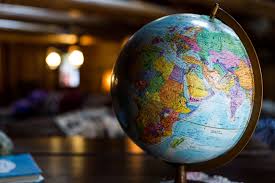
Geography is the study of our world’s physical systems and the human societies that inhabit them. For O Level (2217) and A Level (9696) students, this subject is about more than just maps; it is about understanding the delicate balance between natural processes and human intervention. From the formation of a river delta to the complexities of urban migration, this guide is your blueprint for navigating the curriculum.
Why Geography is Your World-Class Advantage
Global Literacy: Develop a deep understanding of the environmental and social challenges facing different regions of the world.
Spatial Analysis: Learn to interpret complex data, including GIS, satellite imagery, and intricate map work.
Sustainability Mindset: Understand the critical relationship between human development and the preservation of natural ecosystems.
Career Versatility: A foundation for careers in Urban Planning, Environmental Consultancy, International Development, and Meteorology.
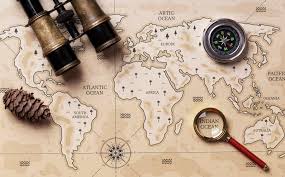
The O Level (2217) Strategy: The Three Pillars
The O Level curriculum focuses on building a comprehensive understanding of the physical and human world:
The Physical Environment: Investigating earthquakes, volcanoes, rivers, coasts, weather, and climate systems. 2. The Human Environment: Analyzing population dynamics, migration patterns, and the growth of urban and rural settlements.
Economic Development: Exploring how we use resources (food, water, and energy) and the impact of industry and tourism on the environment.
The A Level (9696) Strategy: The Advanced Perspective
The A Level syllabus takes a deeper, more specialized look at geographical processes:
Core Physical Geography: Hydrology, fluvial geomorphology, atmosphere, and weather.
Core Human Geography: Advanced study of population, migration, and settlement dynamics.
Advanced Options: Diving into specific environments like tropical, coastal, or hazardous landscapes.
The SSFH “A” Playbook for Geography*
Annotate Everything: In Geography, a diagram is worth a thousand words. Never leave a diagram blank—annotate it with specific technical terms (e.g., “hydraulic action” or “convectional rainfall”) to secure those extra marks.
Specific Case Studies: General answers get “C” grades. To get an A*, you must use real-world examples. Don’t just talk about “a volcano”; talk about the 2010 eruption of Eyjafjallajökull and its specific social and economic impacts.
Command Your Data: Practice your map-reading skills (grid references, scale, and contour lines) and data interpretation until they are second nature.
The Sustainability Lens: When evaluating any human project, always consider the “Triple Bottom Line”—is it environmentally sustainable, economically viable, and socially equitable?
Final Words
Geography is a living subject. By connecting the theories in your textbook to the real-world events happening outside your window, you move from memorization to conceptual ownership. Secure your A* by seeing the world through a geographical lens.